Which home battery will be more interesting in 2027 due to the netting scheme?
Short answer: Due to the end of the netting scheme, a smart, modularly expandable home battery of approximately 5 to 10 kWh will become more interesting from 2027 onwards. For many households, the Anker SOLIX Solarbank Max AC is therefore worth comparing early, because this system starts at 7 kWh and can grow later.
The best choice depends on your solar generation, evening consumption, feed-in, grid connection and installation conditions. If you have little surplus, a large battery will not automatically provide benefits. If you want more self-consumption, work with fluctuating electricity prices or expect additional consumption later, then flexibility, power and expandability are usually more important than just a low purchase price.
Why will a home battery become more interesting from 2027?
The netting scheme will stop completely from 1 January 2027. That changes the calculation for households with solar panels. Power that you supply back during the day can no longer be offset against power that you purchase later. You only receive a feed-in payment, which is often lower than the price you pay for electricity from the grid. This makes it financially more attractive to use generated solar power yourself as much as possible.
That is precisely why a home battery is becoming more relevant: you can save part of your afternoon generation for the evening and night. However, that does not mean that every battery is automatically a good choice. The practical value depends on your real usage pattern. How much do you have left over during sunny hours, how much do you use later in the day, and will this change in the coming years, for example through electric driving or a heat pump? In many homes, it is not the largest battery that makes the most sense, but the battery that matches current consumption and at the same time leaves room for expansion later.
For most readers, the main question is not whether storage will become more interesting, but which type of storage makes sense. The answer is usually: a system that is aimed at higher self-consumption, has sufficient power for daily use and does not start too large for what you actually need.
Which capacity is most suitable for Dutch households?
When is 5 to 10 kWh usually a logical bandwidth?
For many Dutch households with solar panels, a battery of 5 to 10 kWh is the most logical starting point. That bandwidth is often better suited to consumption in the evening and night than a directly much larger system. You can then shift part of your solar power from during the day to later hours, without immediately investing in storage that you do not use every day.
That makes a modular system extra attractive. You do not record everything at once, but start with a capacity that suits your current situation. If you later install more panels, add a heat pump or start charging at home, extra storage may become useful. Without such changes, a battery that is too large is often more difficult to make profitable. The end of the netting scheme therefore makes storage more important, but especially when the capacity fits well with your daily pattern.
When does more than 10 kWh only make sense?
More than 10 kWh usually only makes sense if you have a clearly greater surplus or more flexible consumption. Consider homes with many solar panels, a heat pump, an electric car, high evening consumption or an energy contract where smart shifting delivers more value. In such situations you can really use extra storage space more often.
However, it remains wise to look beyond just the number of kWh. Also important are the charging and discharging capacity, the usable capacity per day and whether the system can be expanded later. A large battery sounds attractive, but if you rarely fill it up or only use it partially, you may be paying for capacity that yields little. Due to the disappearance of the netting scheme, good dimensioning becomes more important than simply choosing the largest possible size.
When is Anker SOLIX Solarbank Max AC suitable and when not?
Suitable situations and less suitable situations
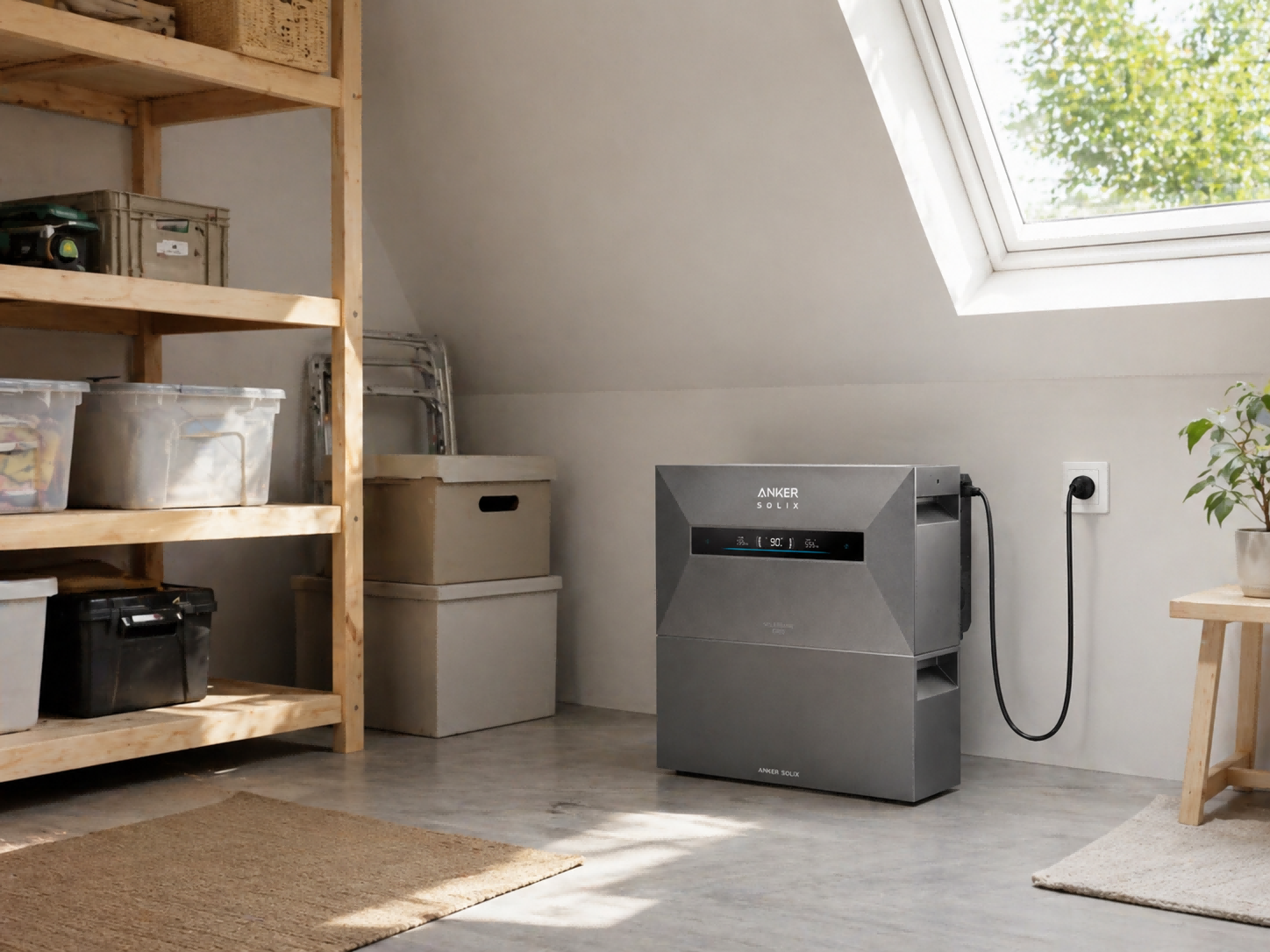
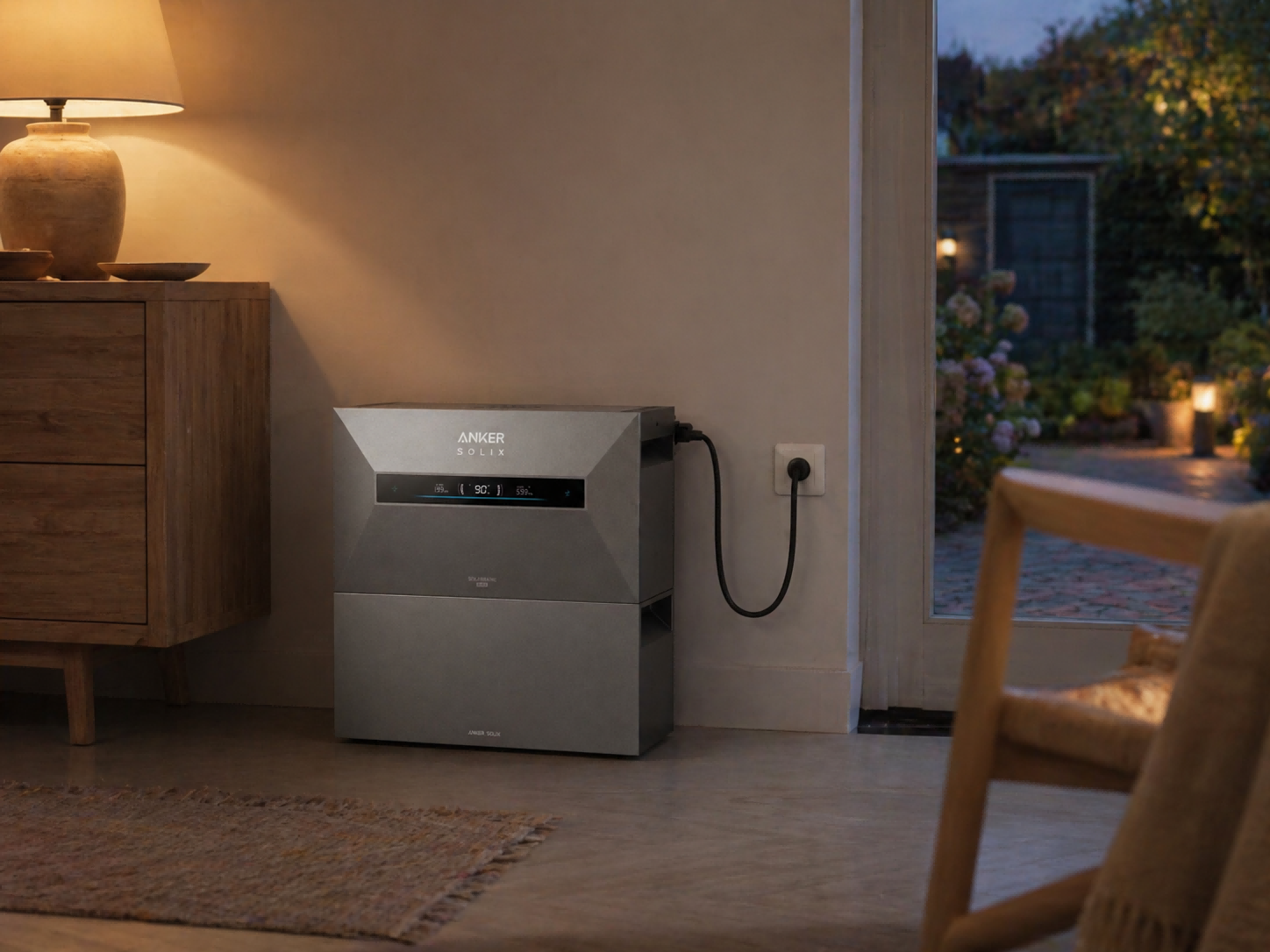
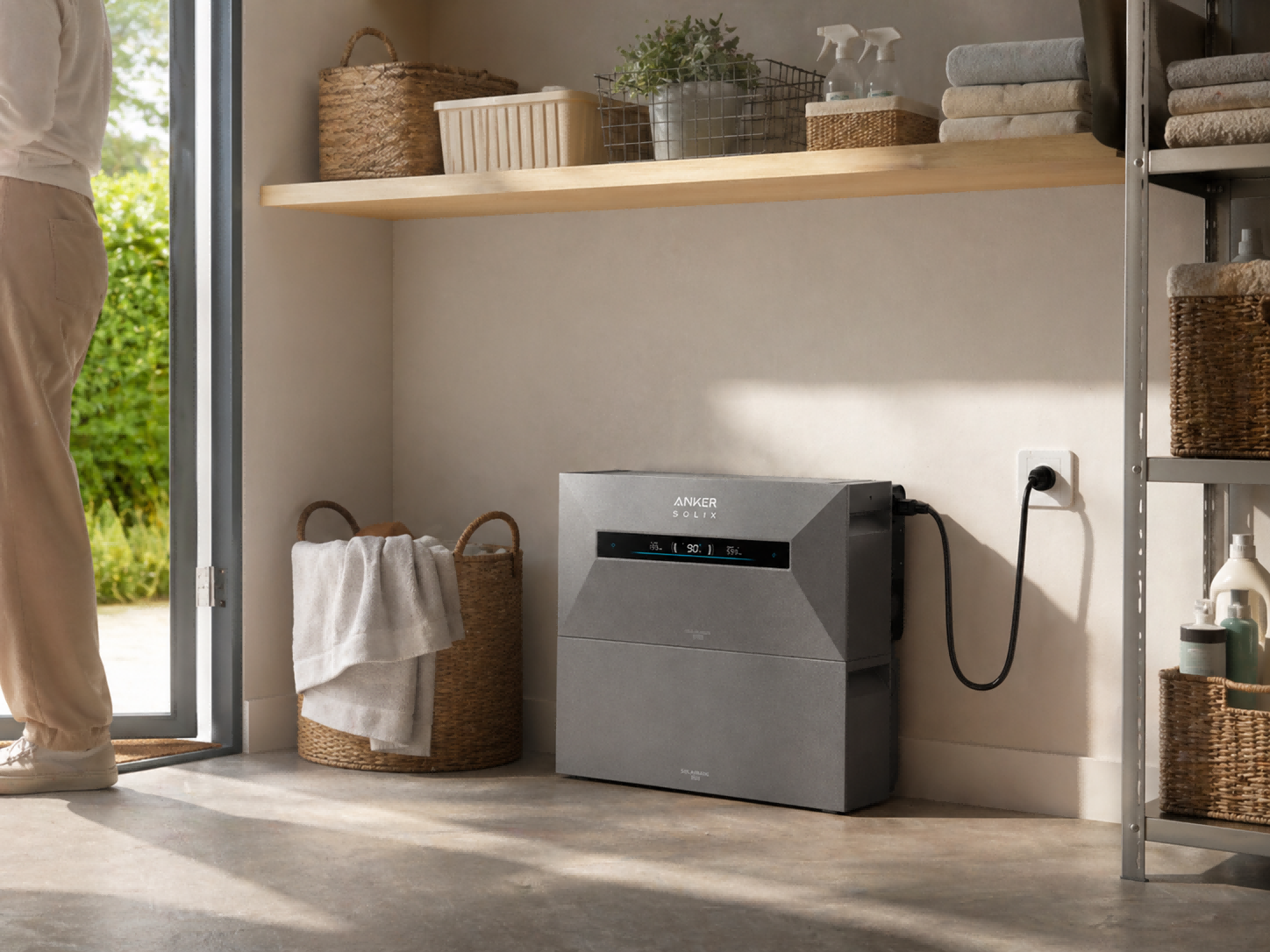
The Anker SOLIX Solarbank Max AC is particularly suitable for households that want to increase their own consumption after 2027, but do not want to immediately start using it to the maximum. The system starts at 7 kWh, a size that fits well with evening and night consumption for many homes, and can later be expanded to 42 kWh. That is precisely why this model is relevant early in the comparison for those looking for a feasible start with room for growth.
This solution is especially logical if you have solar panels, regularly have power left over in the afternoon and want to use it later in the day. Even if you expect your consumption to increase, for example due to electric driving or additional electrical appliances, expandability is a practical advantage. In addition, the system can be interesting for those who pay attention to placement options, different connection types and long-term use. According to the product specifications, it works with LFP cells, has 10,000 cycles, 100 percent depth of discharge, 10-year warranty and a design life of up to 15 years.
- Suitable for: households with solar panels and regular afternoon surplus
- Logical for: a desired start around 7 kWh with possibility of later expansion
- Less logical with: little solar surplus, little evening consumption or no need for expansion
- Important to compare: capacity, power, placement, installation conditions and warranty
The Anker SOLIX Solarbank Max AC is less suitable if you hardly have any surplus or are mainly looking for the lowest possible entry without further plans. Higher power is also not suitable for every home. According to the product specifications, this concerns 3500 W of grid-connected power, 3680 W for emergency power outside the grid and 5000 W of total power. These are values that should not be viewed separately from your home, distribution box and installation.

Points to consider and check before installation
Prior checking therefore remains necessary. Above 800 W, additional points of attention apply. For 3500 W, a separate group, a suitable home installation and checking of registration and connection conditions are important. It is wise to first check whether your electrical installation is suitable for this and whether the installation in your home is practical and responsible.
In addition, take a critical look at your own consumption. Does a start around 7 kWh really fit with what you have left over on a typical day and need later? How often will the battery actually charge and discharge? And do you really use the extra options? Anyone considering this model should therefore not only compare the purchase price, but especially the combination of starting capacity, expandability, power and installation suitability. View the specifications of the Anker SOLIX Solarbank Max AC.
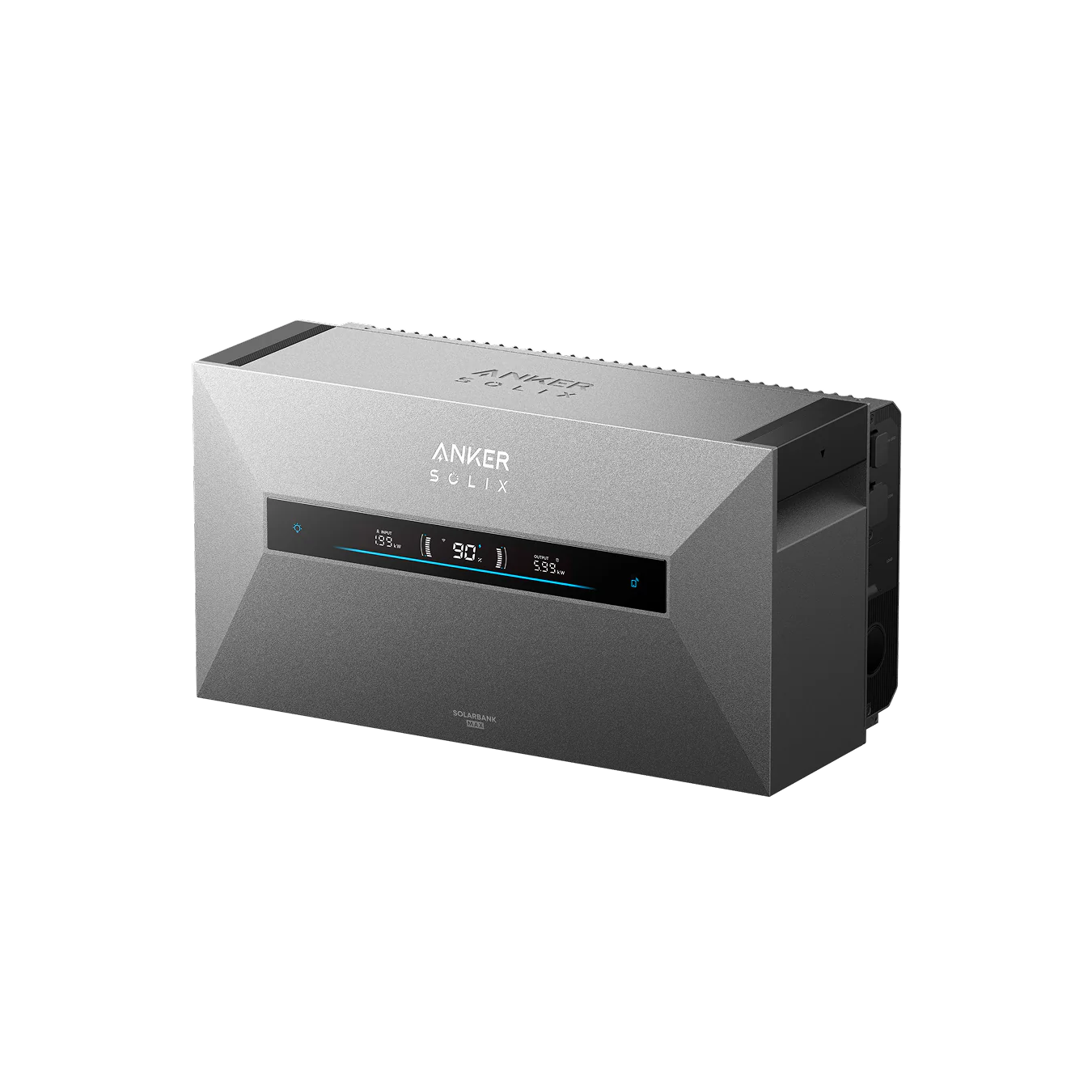
Anker SOLIX Solarbank Max AC
Product description
What should you compare on besides just the price?
The price of a home battery in itself says little. It makes more sense to first look at your annual power consumption, your afternoon surplus, your evening and night consumption and changes you expect in the coming years. This gives a more realistic picture of which capacity makes sense for your situation.
Then compare the charging and discharging power. This determines how much solar power you can actually store at peak times and use again later. Also pay attention to installation options, protection against weather influences, warranty conditions and whether a system can grow later. Especially in a market that is changing due to the end of the netting scheme, expandability is often more valuable than buying too much capacity at once.
The way you steer also counts. A system that deals intelligently with solar generation, consumption and varying rates may be a better fit in practice than a battery that simply charges and discharges. At the same time, the results remain dependent on your home, panels, contract and use. Therefore, do not see savings as fixed, but as situation-specific. For a good comparison, it is best to look at five points: usable capacity, power, expandability, installation conditions and official product specifications.
Sources and Control Points
National government, Netting scheme. Here you can check the official end date of the scheme and what that means for return supply and self-consumption.
Consumers' Association, Will the netting scheme continue to exist? Useful to practically test the consequences for households and the difference between feed-in tariff and electricity price.
Solar plan, Netting scheme. Can be used as an additional explanation of why self-consumption will weigh more heavily in the calculation after 2027.
Anker SOLIX, Anker SOLIX Solarbank Max AC. Here you check product specifications such as starting capacity, expandability, capabilities, placement and installation considerations.
Frequently asked questions
Will a home battery really become more interesting if the netting scheme ends?
Yes, but especially if you have sufficient solar power left over during the day and can use it yourself later. Because the netting scheme ends, supplying back usually becomes less favorable than self-consumption. The benefit depends on your consumption pattern, electricity price, feed-in tariff and how often the battery is actually put to good use.
How many kWh of home battery often makes sense for an average household in 2027?
For many households, about 5 to 10 kWh is a logical start. That range often suits evening and night consumption better than a much larger system. More capacity can be useful with additional solar panels, a heat pump, electric driving or a flexible energy contract, but not every household uses this every day.
When is the Anker SOLIX Solarbank Max AC a logical option and what should I check first?
This model makes sense for households with solar panels that want to increase their own consumption, start around 7 kWh and want to be able to expand later. Extra control is necessary if you have little solar surplus, little evening consumption or if your home installation is not automatically suitable for higher power. Therefore, first check your connection, available group, placement space, registration conditions and official specifications.
What should I pay attention to first if I want to compare different home batteries due to the netting scheme?
Start with your annual consumption, your evening and night consumption, your solar surplus during the day and the installation conditions in your home. Only then compare capacity, power, expandability and warranty. This way you avoid choosing a battery that is too big, too small or practically inconvenient for your situation.
Conclusion
With the end of the netting scheme, not just any home battery will become more interesting in 2027, but especially a suitable, smartly deployable and expandable battery of approximately 5 to 10 kWh. For many households, this is the bandwidth with which self-consumption can increase without immediately committing too much capacity. Only when there is a clearly higher surplus or additional electrification does more storage become more logical.
For households with solar panels, the Anker SOLIX Solarbank Max AC is therefore a useful option to compare early, precisely because the system starts at 7 kWh and can grow later. Now check your annual consumption, evening consumption, solar surplus, available group and installation space in addition to the official product information of the Anker SOLIX Solarbank Max AC. This way you can see more quickly whether a start around 7 kWh is suitable, or whether it is better to consider a different capacity or later expansion.