Which home battery will be more interesting in 2027 due to the netting scheme?
Short answer: Due to the end of the netting scheme, a smart, modularly expandable home battery of approximately 5 to 10 kWh will become more interesting in 2027. For many households, the Anker SOLIX Solarbank Max AC is therefore relevant early on in the comparison, because this system starts at 7 kWh and can grow later if your consumption changes.
The key is not to choose as large as possible, but to choose a battery that suits your evening and night consumption, your feed-in and your plans for the coming years. Anyone who has solar power left over during the day and wants to use it later usually gets more value from storage than from additional supply for a lower fee.
Why will a home battery become more interesting in 2027?
The netting scheme will stop completely from 1 January 2027. This noticeably changes the financial considerations for households with solar panels. You can no longer offset electricity that you supply back against electricity that you later purchase from the grid. You only receive a feed-in tariff, which is often lower than the rate you pay when you use electricity in the evening or night.
This makes self-consumption more important than supply. A home battery then helps to store solar power generated during the day for later use in the home. This is especially useful if you are not home much during the day, but use a lot in the evening, for example for cooking, washing, loading or heating. How favorable this turns out depends on your consumption profile, the yield of your solar panels, your energy contract and how much stored electricity you actually use yourself.
The practical conclusion is therefore: yes, a home battery will often become more interesting in 2027, but especially when you have sufficient solar surplus and can actually use that surplus later in the day. Without that combination, a larger battery can be more expensive without the extra capacity yielding much.
Which type of home battery is suitable for most households?
When is 5 to 10 kWh often a logical choice?
For many Dutch households, a home battery of approximately 5 to 10 kWh is a logical first step. That bandwidth is often better suited to normal evening and night consumption than a much larger battery. In practice, usable storage is more important than having the highest possible number on paper. A battery that is properly charged and discharged every day is usually more useful than a large system where part of the capacity often remains unused.
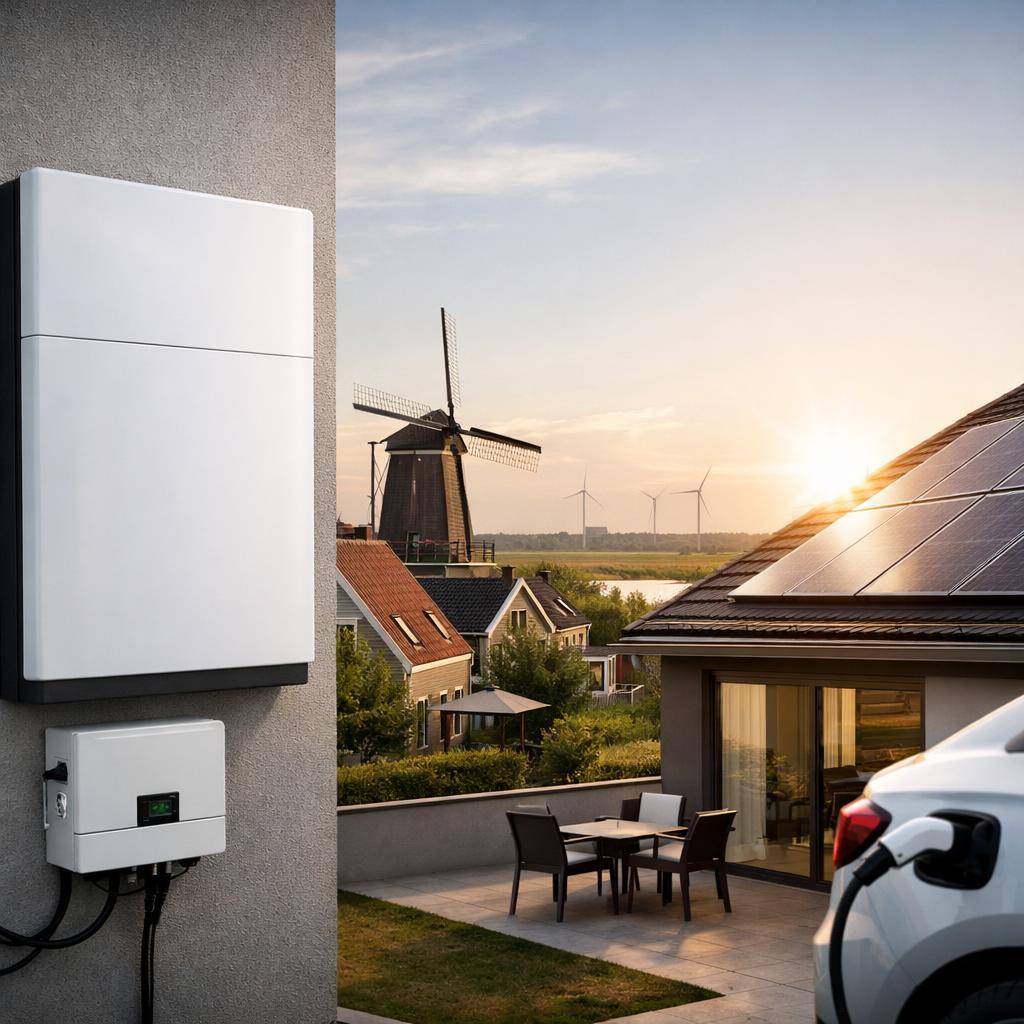
Expandability is also becoming more important now that the netting scheme is ending. Your situation may change: an electric car, a heat pump or extra electricity consumption may be added later. Then it is often wiser to start modular and expand later than to buy too large immediately. For existing solar panel owners, an AC-coupled system can also be attractive because storage can often be added without replacing the entire installation.
When does bigger make sense?
More than 10 kWh usually only becomes interesting if you structurally have a lot of solar power left over and can use it later. This applies, for example, to many solar panels, high evening consumption, electric charging, a heat pump or a contract where smart management of price differences can be advantageous. In such situations, extra capacity can be better utilized and an expandable system is extra valuable.
The main rule remains simple: first choose a battery that suits your actual use and not just your maximum generation. This way the investment remains better in proportion to what you can load, store and use again every day.
When does Anker SOLIX Solarbank Max AC fit into this scenario?
Suitable for
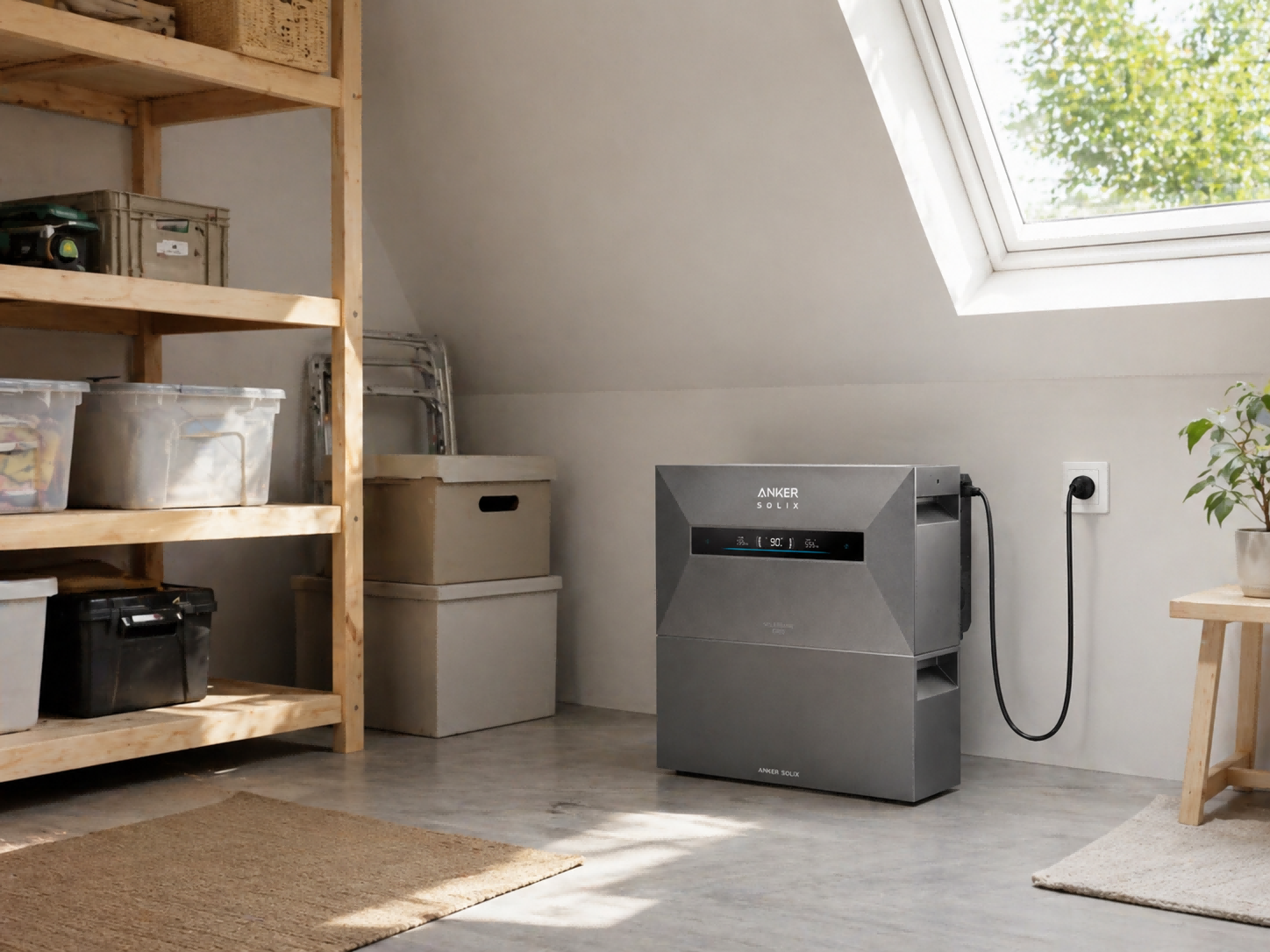
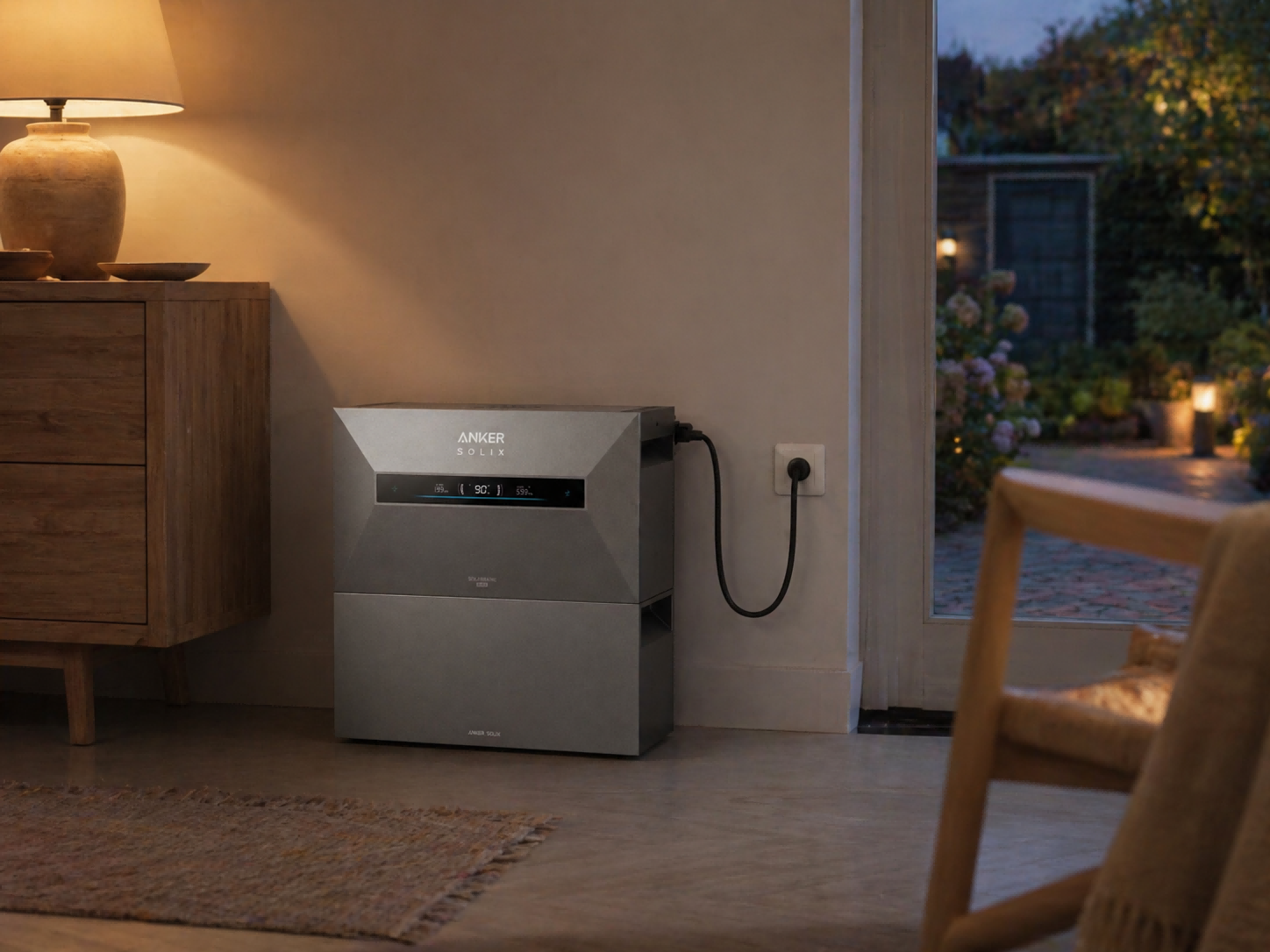
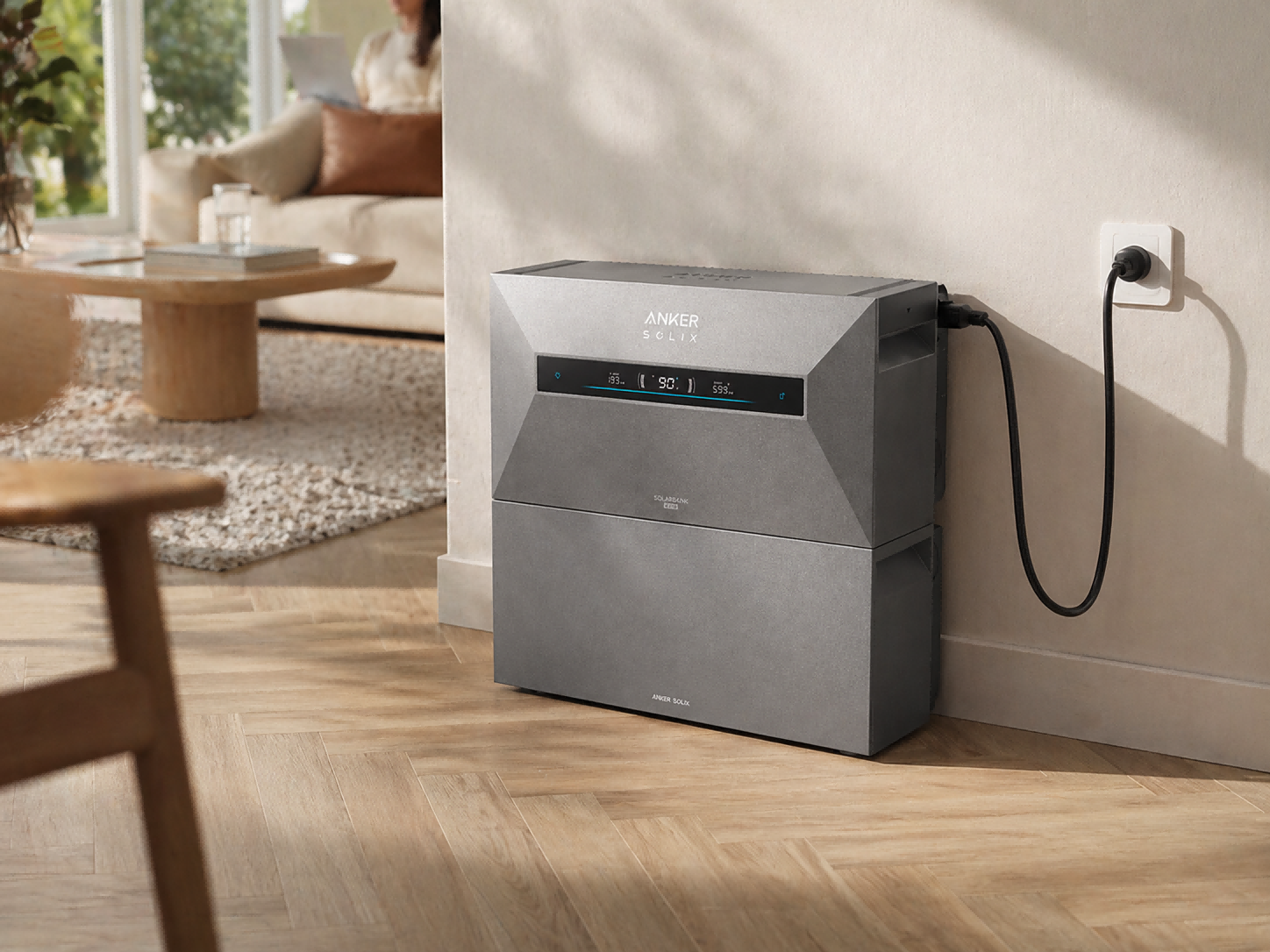
The Anker SOLIX Solarbank Max AC is a good fit for households that want to increase their own consumption after 2027 without immediately starting with a system that is too large. The system has a basic capacity of 7 kWh and is expandable up to 42 kWh with 1 main unit and 5 batteries. This puts it exactly in the much-mentioned starting zone of 5 to 10 kWh, while later growth remains possible if your situation changes.
That is precisely why this model is worth comparing for households who are hesitating between starting small or purchasing more immediately. You do not immediately commit to maximum capacity, but you do leave room to scale up later if your evening consumption increases or if an electric car or heat pump is added. This makes it especially interesting for those who consider flexibility more important than just the lowest possible starting size.
The combination of assets and daily employability is also relevant. The system supports 3500W grid-tied, 3680W off-grid and 5000W total power. This means that stored solar power can be used not only for small evening loads, but also for heavier applications within the applicable installation conditions. In addition, the system uses LFP cells, supports 10000 cycles, offers a 10-year warranty, a 15-year design life and 100 percent depth of discharge. For households looking for storage for more self-consumption, emergency power and later expansion, this is a composition that makes sense early in the equation.
- Component: Capacity — Specification: 7 kWh base, expandable to 42 kWh — Relevant for 2027: start appropriately and scale up later
- Component: Power — Specification: 3500 W grid-connected, 3680 W off-grid, 5000 W total — Relevant for 2027: stored solar power also usable for heavier consumers
- Part: Durability — Specification: LFP, 10000 cycles, 10 year warranty — Relevant for 2027: suitable for intensive daily charging and discharging
Less suitable or extra check
Not every household immediately needs this level of power or expandability. Anyone who has little solar surplus or who already uses a lot of electricity during the day must first check whether there are enough charging and discharging moments left to make storage really useful. A larger system only becomes more attractive if the stored energy is used regularly. Theoretical savings therefore always depend on home, consumption and contract.
In addition, pay close attention to the installation conditions. Above 800 W output power, a separate group, expert installation and registration according to local regulations are important control points. The limit of 3500 W is a manually unlockable upper limit in the application and requires extra attention to the electrical situation of the home. Furthermore, check the placement, available space and environmental conditions. The protection degree is 66 and active heating supports operation down to minus 20 degrees, but that does not automatically mean that every outdoor location is suitable.
What should you pay attention to before making your choice?
First look at four practical points: your evening and night consumption, your annual feed-in, the available installation space and whether you want to expand later. Especially after the end of the netting scheme, this is often more important than just the number of solar panels on the roof. If you are mainly at home during the day and use a lot directly, a smaller storage may be sufficient. If you generate a lot during the day and only use it later, a home battery will become more interesting.
Then look at the way in which the system controls charging and discharging in practice. A battery that intelligently handles consumption history, weather forecast and changing electricity prices can better suit the situation from 2027 onwards. Also check whether emergency power is important to you, whether you want to use devices with higher power and whether your installation is prepared for this.
For many households, the best choice is therefore not the largest battery, but the battery that fits well today and can grow with it later without unnecessary replacement . That is exactly why a modular system is in many cases stronger than direct maximum dimensioning.
Sources and Control Points
National government, Salting scheme for solar panels, https://www.rijksoverheid.nl/themas/klimaat-milieu-en-natuur/energie-thuis/salderingsregeling
Consumers' Association, Will the netting scheme continue to exist?, https://www.consumentenbond.nl/energie-vergelijken/blijft-de-salderingsregeling-toch-bestan
Netherlands Authority for Consumers and Markets, Information about energy rates and consumer rights, https://www.acm.nl/nl/onderwerpen/energie
Anker SOLIX, Anker SOLIX Solarbank Max AC, https://www.ankersolix.com/nl/products/a17e2
Anker SOLIX, Salding scheme 2027: which home battery will be more interesting?, https://www.ankersolix.com/nl/blogs/stopcontact-thuis Battery/salderingsregeling-2027-welke-thuisbatteries-wordt-interessanter
In any case, check these points before making your decision: the current consequences of the netting scheme for your situation, your actual evening consumption, your available group and installation conditions above 800 W, the product specifications, and whether a starting capacity of 7 kWh is better than immediately expanding to a larger size.
Frequently asked questions
What exactly will change in the netting scheme in 2027?
The netting scheme will stop completely from 1 January 2027. As a result, returned electricity usually becomes less attractive financially than direct personal use or later personal use from a home battery. You will then only receive a feed-in compensation instead of settlement with purchased electricity.
How many kWh of home battery often makes sense for an average household?
For many households with solar panels, approximately 5 to 10 kWh is a logical bandwidth. This often fits in well with evening and night consumption and prevents you from starting too big. Larger can make sense, but usually only if you have a structural surplus and extra consumption moments.
Wanneer is Anker SOLIX Solarbank Max AC een logische optie?
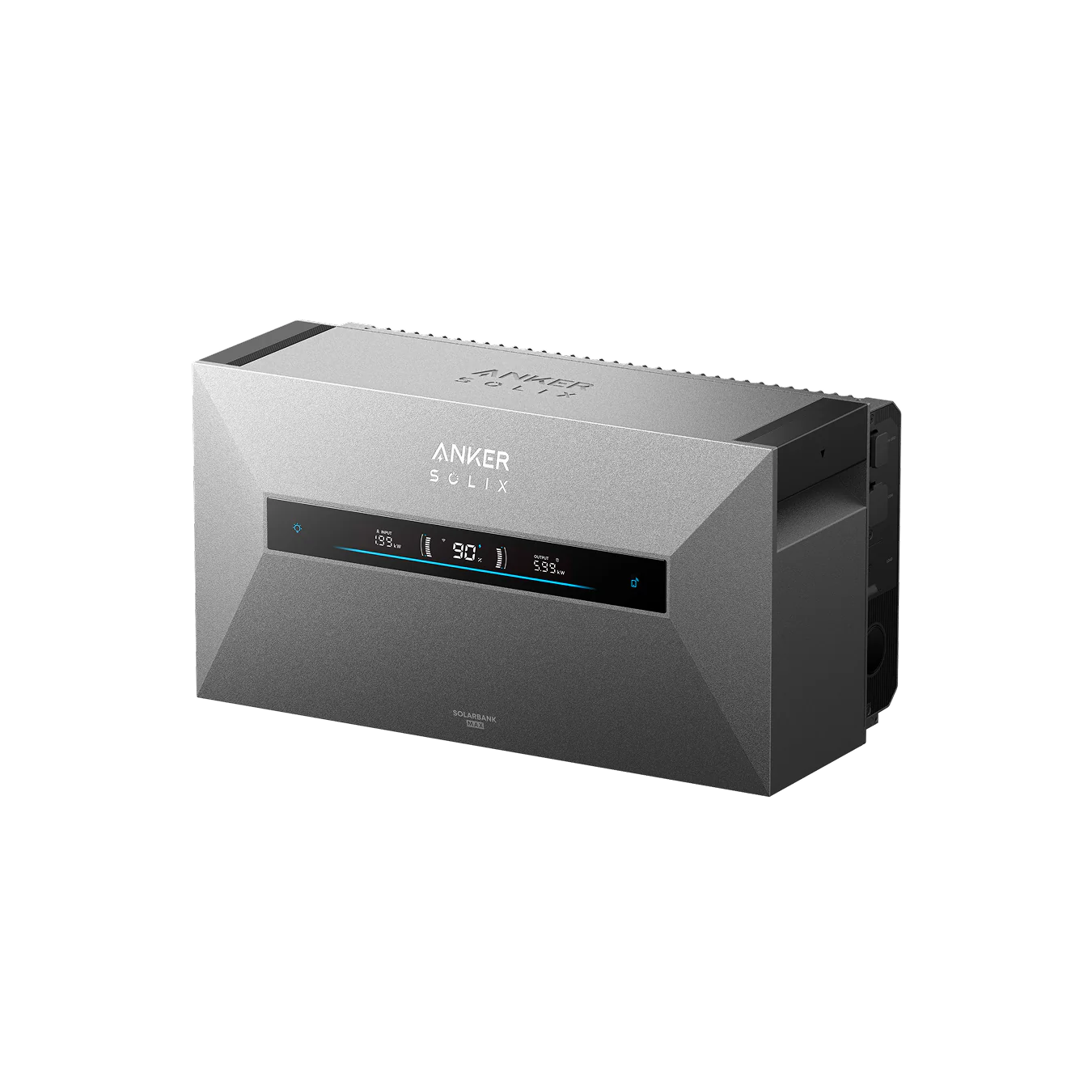
Anker SOLIX Solarbank Max AC
Product description
This system makes particular sense if you want an AC-coupled, expandable home battery that starts at 7 kWh and can grow later. Additional control is necessary when you have little solar surplus, cannot use the higher power or your electrical installation may need to be adjusted. Therefore, first look at your group, available space, consumption and installation conditions.
What do the savings with a home battery depend most on?
Savings mainly depend on your consumption pattern, solar yield, contract type, feed-in tariff and how often you actually use stored electricity. A theoretical calculation provides direction, but the outcome differs per home. Comparing on usage profile is therefore often more useful than just looking at maximum capacity.
Conclusion
Due to the end of the netting scheme, a home battery that fits well with real household consumption will become more interesting in 2027. For many households, a smart, expandable battery of approximately 5 to 10 kWh is therefore the most logical option. Only when there is clearly more surplus or extra consumption does a larger storage become more convincing.
In that context, Anker SOLIX Solarbank Max AC is a relevant option to compare early, because the system starts at 7 kWh and can be expanded later. Now compare your evening and night consumption, annual feed-in, available installation space, desired expandability, power and official product specifications. Then check whether a starting capacity of 7 kWh suits your home, whether later expansion makes more sense and which installation conditions you need to confirm in advance.