Short answer: An expansion module game or board game expansion set is only really worthwhile if it fits well with the basic game, the experience of the players and the playing time that your group likes. The best expansion does not simply add extra parts, but provides more variety, new choices or room for extra players without making the game unnecessarily complicated.
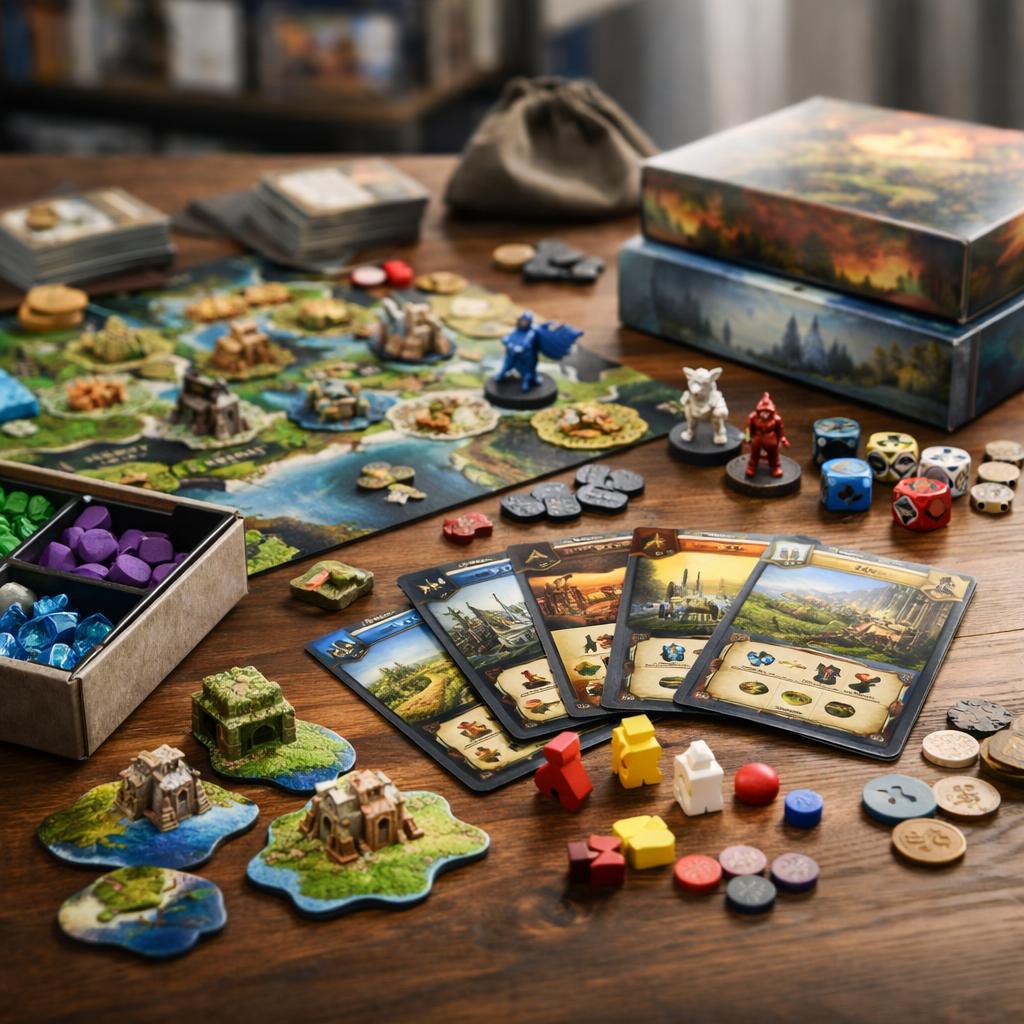
Anyone looking for this usually wants to know quickly what an extension really adds and how you can avoid a bad purchase. That makes sense, because not every expansion automatically makes a game better. Some sets give new life to a beloved game, while others mainly bring extra rules that are rarely on the table. If you are still unsure which game or type of expansion suits your group, first read our guide on choosing a suitable board game. This allows you to determine in a much more targeted manner whether you are looking for more variety, extra depth or a smoother playing experience for more players.
What an expansion module game or board game expansion set adds in practice
An expansion module game or board game expansion set is intended as a supplement to an existing game. In practice, this often means new cards, chips, objectives, scenarios, game boards or extra rules. Yet the content alone does not say enough. The real question is what those additions do to the flow of the game. Do they change the choices players make, do they create more tension or do they mainly make the game longer and more complicated?
For many players, the added value lies in replayability. A good basic game that you have played often can feel fresh again with an expansion. New combinations, different routes to profit or unexpected situations keep things interesting. For other games, the expansion is especially useful because you can play with more people at the table. This can be a great advantage for families, groups of friends or game nights where the number of players varies.
However, not every extension is suitable for every group. Novice players usually benefit more from overview and speed than from extra layers or exception rules. Experienced players often appreciate more depth and new strategic possibilities. That is why it is smart to not only look at what is in the box, but especially at the type of gaming experience that the expansion provides.
In addition, always check whether the expansion fits your edition of the game. Edition differences, language versions and adjusted rules can cause a set to not fit properly. That point is often underestimated, even though it is one of the most important ways to prevent a wrong purchase.
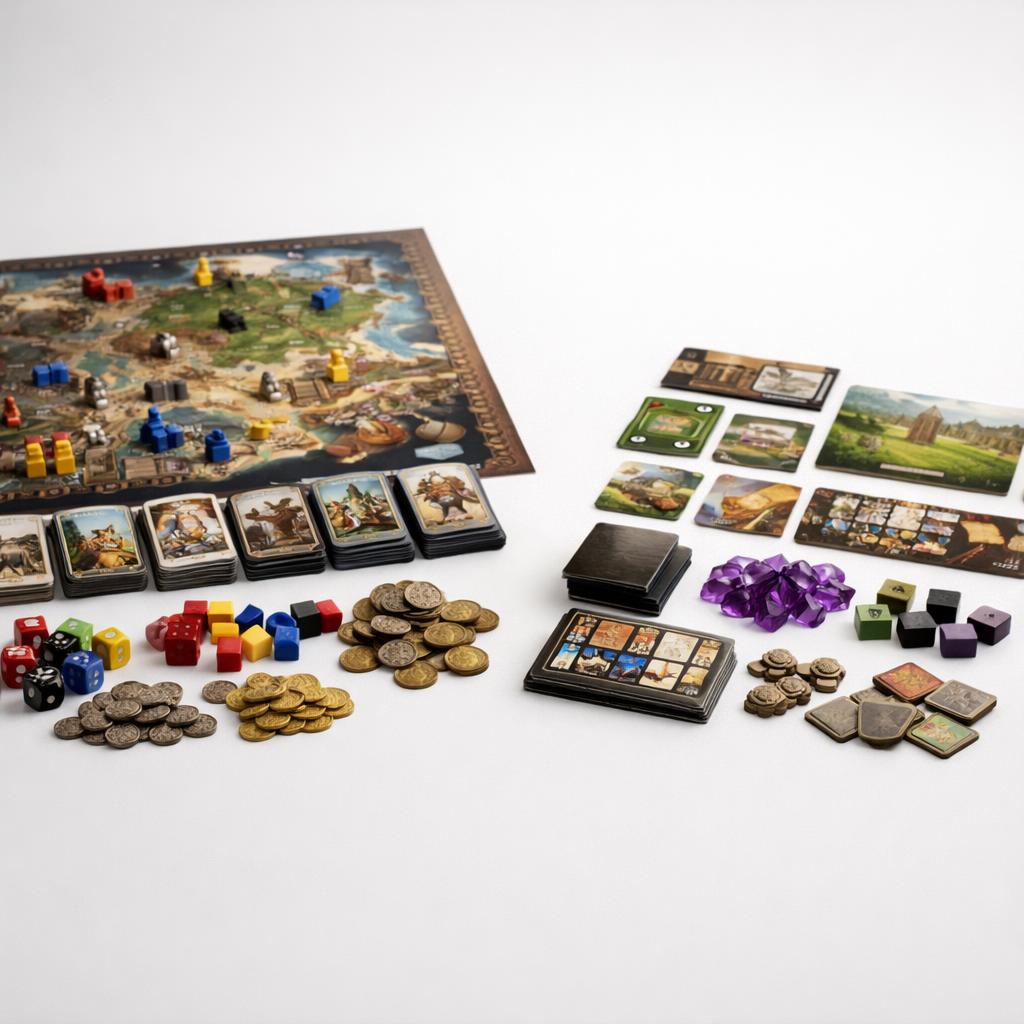
This is how you choose an expansion that really suits your group
First pay attention to the game, players and playing time
The best choice doesn't start with the expansion itself, but with the base game and the people you play with. First ask yourself why you want an extension. Do you miss variety because the game has become too predictable? Do you need more players? Or do you want more depth, because the current rules feel too simple? Only when that is clear can you make targeted choices.
A simple assessment often works best. Look at four points: compatibility, difficulty, playing time and group size. Does the expansion really suit your version of the game? Does the level match the experience of the players? Does the playing time remain pleasant for your table? And does the set work well with the number of people you usually play with? If you want more guidance in making this decision, you can also view our explanation of rules and game types.
For families or casual players, an extension is usually most useful if it requires little additional explanation and does not make the game much longer. Think of extra scenarios, more variety in cards or an option to participate with an extra player. For regular gaming groups, an expansion may often require more from the players, as long as there is new tension or strategy in return.
Prevent a bad purchase with an honest consideration
A useful expansion reinforces what your group already likes about the base game. If everyone likes pace and simplicity, then a heavy module with many exceptions is often not a good choice. If your group likes to play the same game several evenings, a more extensive set can be of great value. So it is not about the largest box or the most parts, but about whether the expansion makes the game better for your situation.
Neutral comparison helps more than sales talk. Pay attention to benefits, but also limitations. An expansion can provide innovation, but sometimes also longer turns, more explanation and less accessibility for new players. Therefore, ask yourself if you are really missing something in the basic game. If that is not the case, it is better to play without an expansion for a while. If you have been enjoying the basic game for months and it is often on the table, then there is a much greater chance that a board game expansion set will actually be used.

Conclusion
A good expansion module game or board game expansion set does not simply add more material, but makes a game richer in a way that suits your table. Sometimes that means more variety, sometimes extra players and sometimes more depth for a permanent group. The right choice depends on playing style, experience, available time and whether the basic game is played often enough to require innovation.
Therefore, always look at the basics first: does the expansion suit your edition, language and version of the game, and does it meet the wishes of the players? If you make this clear in advance, choosing will become much easier. This way you avoid buying a box that seems impressive, but is rarely used. An expansion is most valuable when it builds on a game your group already enjoys playing.
Frequently asked questions
What is the difference between a base game and an expansion set?
A basic game can be played independently and contains everything needed to get started. An expansion set is intended as a supplement and adds new content, such as maps, rules, scenarios or extra parts. The expansion changes or deepens the existing game, but usually relies on the base game.
In practice, this means that you can play immediately with a basic game, while an expansion is especially interesting if you already know the original game and have played it on the table before. The expansion is therefore not a replacement, but an enrichment.
Can you play an expansion module without the base game?
Usually not. An expansion module is usually made to be used together with the base game. Without that basis you often miss important parts, rules or cards. It is therefore wise to always check carefully before purchasing how the set is intended.
Sometimes there is an independent expansion that can also be played separately, but this is normally clearly stated. In addition, pay attention to differences between editions and language versions, because these can also determine whether an extension is usable.
How do you avoid choosing the wrong expansion?
Start with a simple check: does the expansion fit your version of the game? Then look at what your group is really looking for. Do you want more variety, more depth or room for extra players? Compare that to the extra rules, expected playing time and entry level of the set.
A wrong choice often arises when people mainly look at novelty and not at practical use. Therefore, do not choose based on the quantity of parts, but on real added value for your regular players. Then there is a much greater chance that the expansion will actually be put on the table.