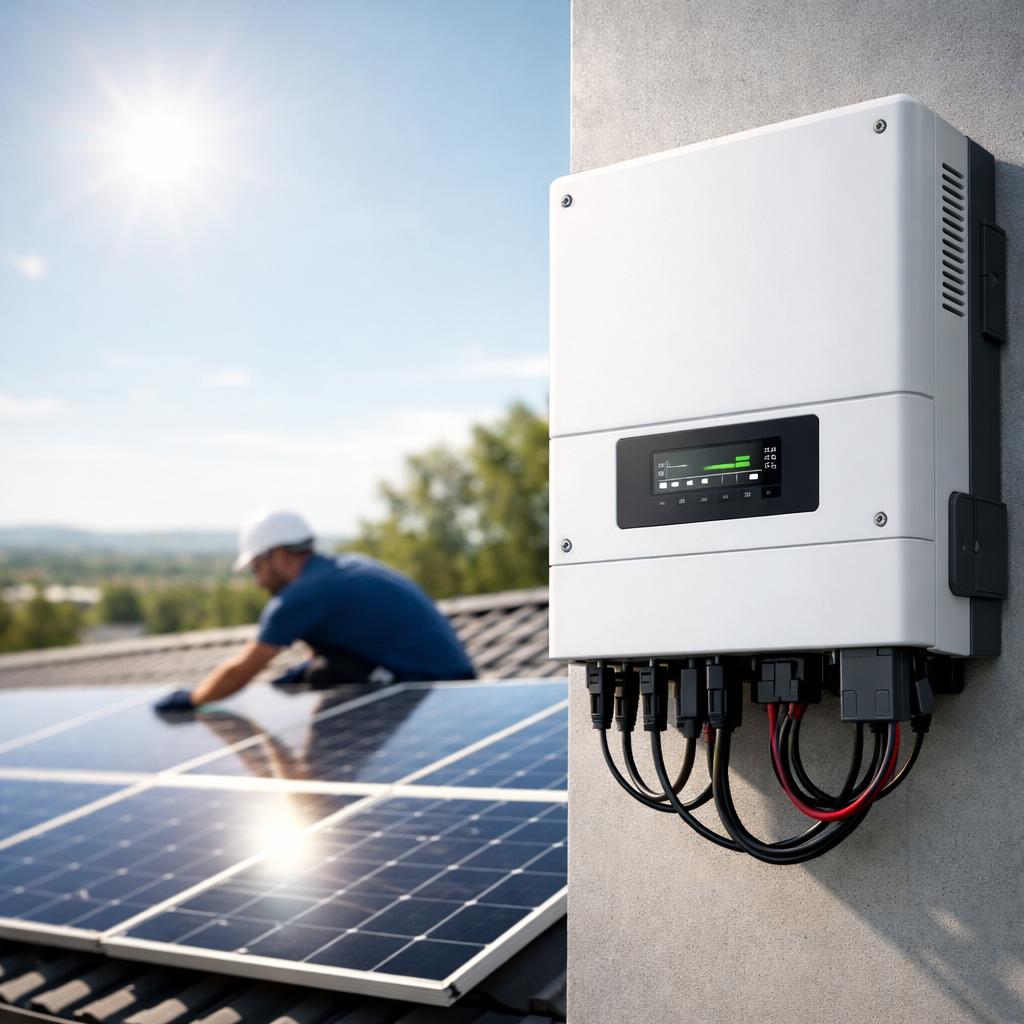
Anyone looking for top home batteries in Europe usually does not want a jumble of technical terms, but a clear and useful framework to compare systems fairly. The gist is simple: a good home battery suits your power consumption, your solar panels, the space in your home, your safety needs and your budget. Warranty, lifespan, charging and discharging capacity and the way you deal with fluctuating electricity prices also make a big difference in practice.
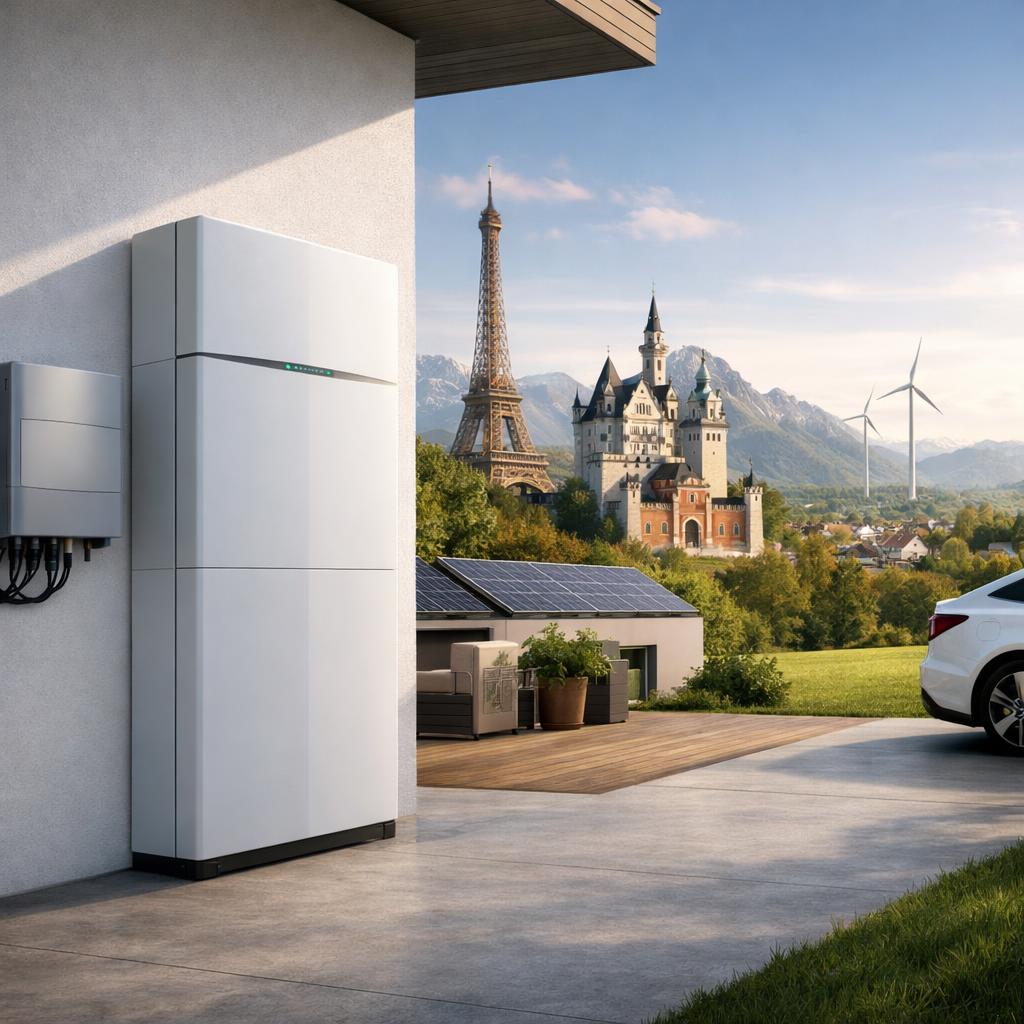
For many homeowners it is smart to first look at the combination of solar panels and home batteries. Then you can see more quickly whether storage is mainly intended to use more self-generated electricity, to consume less from the grid or to better absorb peaks in consumption. Those looking for the right solution therefore not only compare storage capacity, but also safety, installation conditions and whether the system really suits their own home.
What top home batteries in Europe mean in practice
The search top home batteries Europe usually shows a clear purchasing orientation. Readers want to know which features are really important, without one brand demanding attention. In practice, this concerns usable storage capacity, number of charging cycles, efficiency, noise level, expandability and cooperation with existing or new solar panels. The placement also counts: inside or outside, on the wall or on the floor.
In addition, many people wonder what exactly they should pay attention to as rules, housing types and energy costs differ per country. An apartment often requires something different than a detached house. It also matters whether you mainly want to save solar power from the day for the evening, or whether you want to charge at low rates and use it at higher rates. A strong article therefore not only helps with comparison, but translates technical features into daily benefits, limitations and realistic expectations regarding comfort, savings and ease of use.
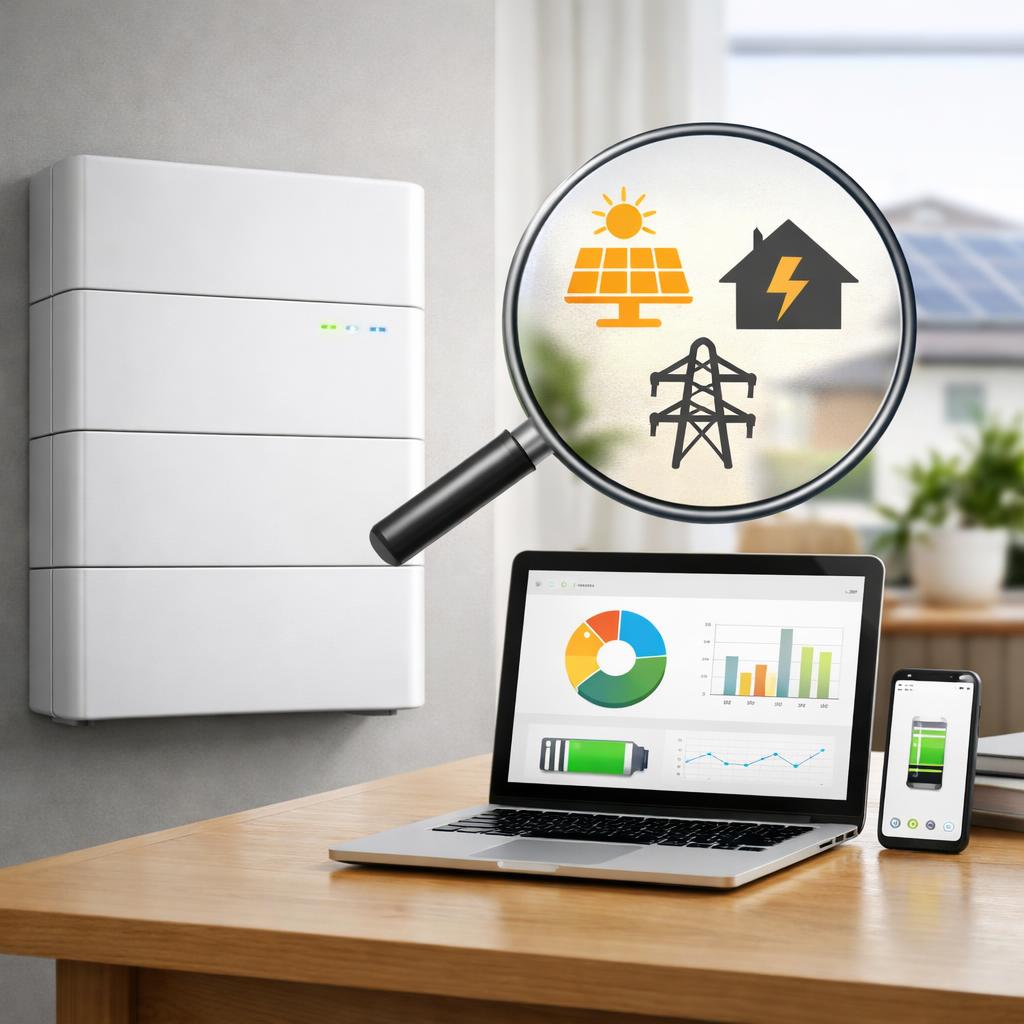
This is how you compare home batteries for Europe without missing important details
Capacity, safety and warranty are the basis
A good comparison starts with capacity, but not just with the highest number. Pay particular attention to the usable capacity and the charging and discharging capacity. An average household often needs a mid-range solution, especially when most of the consumption occurs in the evening. That is why comparing capacity and warranty makes more sense than just paying attention to maximum storage. Also check whether later expansion is possible, so that the system can grow with additional panels or a heat pump.
Safety deserves at least as much attention. Pay attention to the cell chemistry used, built-in protection, temperature control, certification and installation space requirements. The warranty then says a lot about the expected performance. Look not only at the number of years, but also at the remaining capacity level after a certain period of use. Therefore, always ask how that guarantee is measured and what conditions apply. A battery with a slightly higher purchase price may be more beneficial in the long term if performance remains stable and coverage is clear.
Price, payback period and daily use
The costs involve more than purchase and installation. The price and payback period of home batteries depend on your consumption pattern, electricity price, rules regarding feed-in, grid costs and the extent to which you use self-generated electricity immediately or later. For households with a lot of evening consumption, storage can provide value more quickly than for homes where a lot of electricity is used immediately during the day.
Therefore, always compare the complete usage situation. Consider maintenance, suitability for the inverter, space in the meter cupboard and possible expansion of the energy system. Smart use of electricity also plays a role. Anyone who wants more insight into the payback period of energy storage should look at monthly profiles rather than just annual averages. This creates a more realistic picture of savings, peak reduction and self-consumption. The best choice is usually not the cheapest battery, but the solution that best suits your home and habits technically and financially.
The right choice depends on your home and consumption profile
Even without naming brands, you can compare home batteries very specifically by looking at living situations. A small household with limited evening consumption often needs a compact solution with a clear warranty and simple management. A larger family with solar panels, electric cooking and higher peaks in use often requires more usable capacity and higher power. This makes the comparison practical rather than general.
Readers outside Europe who research European solutions also benefit from that context. Homes, grid connections and tariff structures often differ, which also causes the selection criteria to shift. Therefore, carefully determine whether a battery is intended for renovation, new construction or an existing solar installation. Always ask the same questions before installation: does the system match your annual consumption, is the installation safe, how exactly does the warranty work and does storage really benefit your situation? This makes the information more reliable and helps you make a choice that you will not regret later.
Conclusion
If you want to assess top home batteries in Europe, the best way to get there is a down-to-earth comparison based on capacity, safety, warranty, price and suitability for your own household. The right battery is not automatically the largest or most expensive, but the solution that suits your power consumption, your solar panels and your home. Pay particular attention to usable capacity, installation requirements, warranty conditions and the question of how much benefit storage really provides in your daily situation.
A good choice arises when technical data is translated into practical use. That is why it is wise to always view top home batteries Europe from your goal: more self-consumption, lower peaks, dealing smarter with changing rates or being less dependent on the grid. If you are clear about this in advance, comparison becomes much easier and you avoid paying for functions that you hardly use.
Frequently asked questions
How much capacity does a home battery need for an average household?
That depends on your evening consumption, the yield of your solar panels and your goal. For many households, medium-sized storage is sufficient to shift some of the solar power to the evening. Pay particular attention to usable capacity rather than just the highest specified number.
Is a home battery cost-effective in Europe without solar panels?
That is possible, but it depends more on varying electricity rates and your consumption profile. Without solar panels, the advantage often comes from charging at low prices and using at higher prices. The outcome differs per country, tariff structure and network costs, so a personal calculation remains wise.
What should you pay attention to with the warranty of a home battery?
Pay attention to the number of years, the number of charging cycles and the guaranteed remaining capacity level. Also check which conditions of use apply and whether installation by a recognized professional is mandatory. A long warranty is only really valuable if the conditions are clear, reasonable and feasible.
Can every home have a home battery installed?
No, not every home is automatically suitable. Available space, ventilation, fire-safe placement, mains connection and the suitability of the inverter and meter cupboard are important. In many cases installation is possible, but a technical assessment in advance prevents surprises and unnecessary extra costs.