In practice, Tigo optimizer compatibility revolves around one question: does an optimizer work safely and technically well with your solar panels, inverter and surveillance? Checking this in advance will prevent disappointing yields, malfunctions and extra work during installation. It is therefore smarter for home owners, installers and business buyers not only to look at price or functions, but especially at panel data, electrical boundaries and the complete system structure.
The gist is simple: compatibility depends on measurable specifications. Consider current, voltage, power class, the number of panels per string and desired safety functions. Anyone who first wants to understand how panel optimization works can then assess in a much more targeted manner whether a particular combination makes sense. This makes it easier to see whether a Tigo optimizer can be suitable for an existing solar power system, or whether a different approach is better.
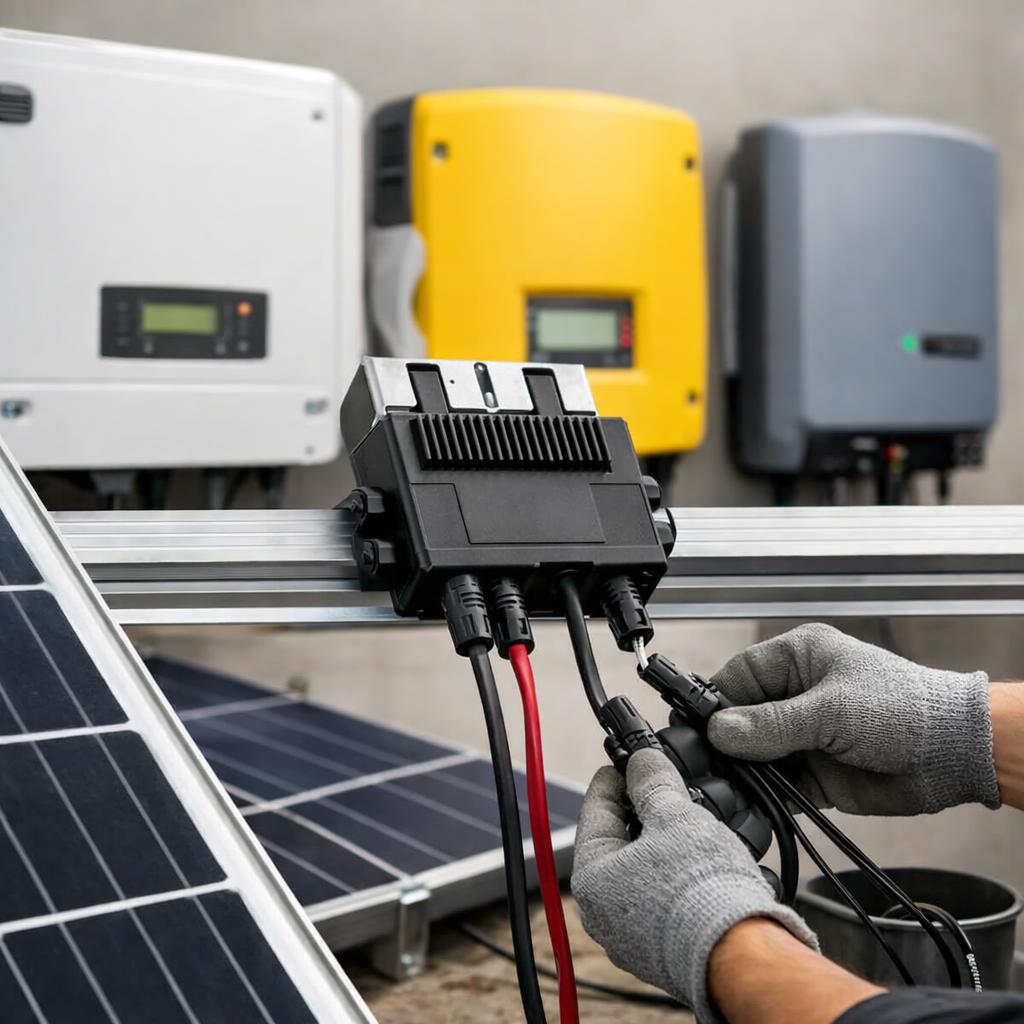
Think of the system as a chain of panel, optimizer, inverter and monitoring. Each part must continue to work within the same technical conditions. Precisely for this reason, a quick check of the data sheets is often more valuable than a general product promise.
What Tigo optimizer compatibility means in practice
In practice, compatibility means that the optimizer matches the electrical properties of the solar panel and the requirements of the rest of the system. This concerns panel type, nominal power, open circuit voltage, operating voltage and maximum current. Anyone looking for Tigo optimizer compatibility with solar panels must therefore look beyond brand or size. Small differences in specifications can be important, especially with newer panels with higher power.
The application also counts. Sometimes optimizers are desirable on all panels, but in many situations this only concerns panels with shade, a different slope or a different orientation. That affects the number of optimizers, the string format and the final costs. The best choice is therefore rarely a standard answer, but usually a decision based on product specifications and roof layout.
What role panel type, voltage and power play
Always start with the panel data sheet. Important values are the maximum input current, the voltage range and the power class for which the optimizer is intended. If a panel falls outside those limits, the combination may be unsuitable or additional checks are required. Especially for large panels with a high peak power, it is wise to compare the most recent data.
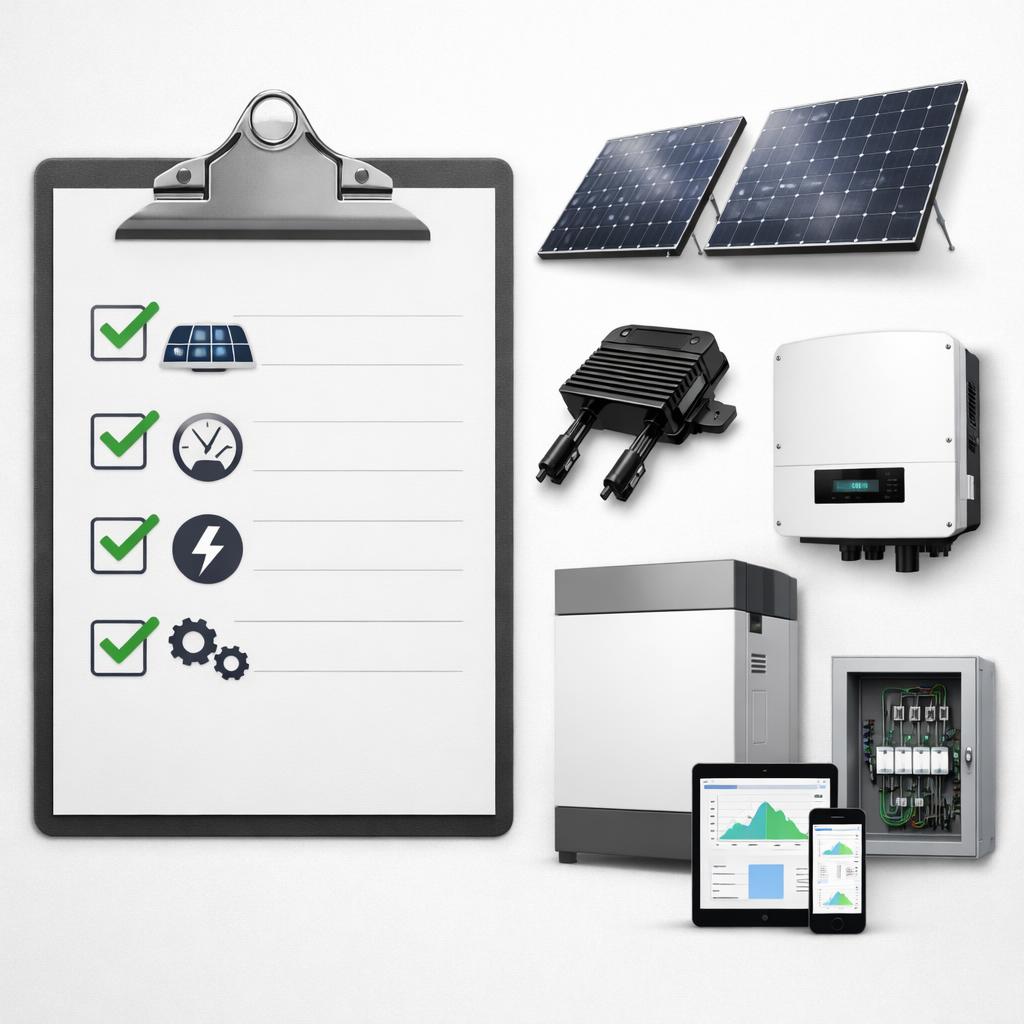
In addition, the conditions on location play a role. At low temperatures the voltage can increase, while heat affects the operating point of the panel. Therefore, do not only look at standard values, but also at the situation on the roof. A short checklist with panel data, voltage range, power class and string construction helps ensure that nothing is overlooked.
How to check whether the inverter and monitoring are properly connected
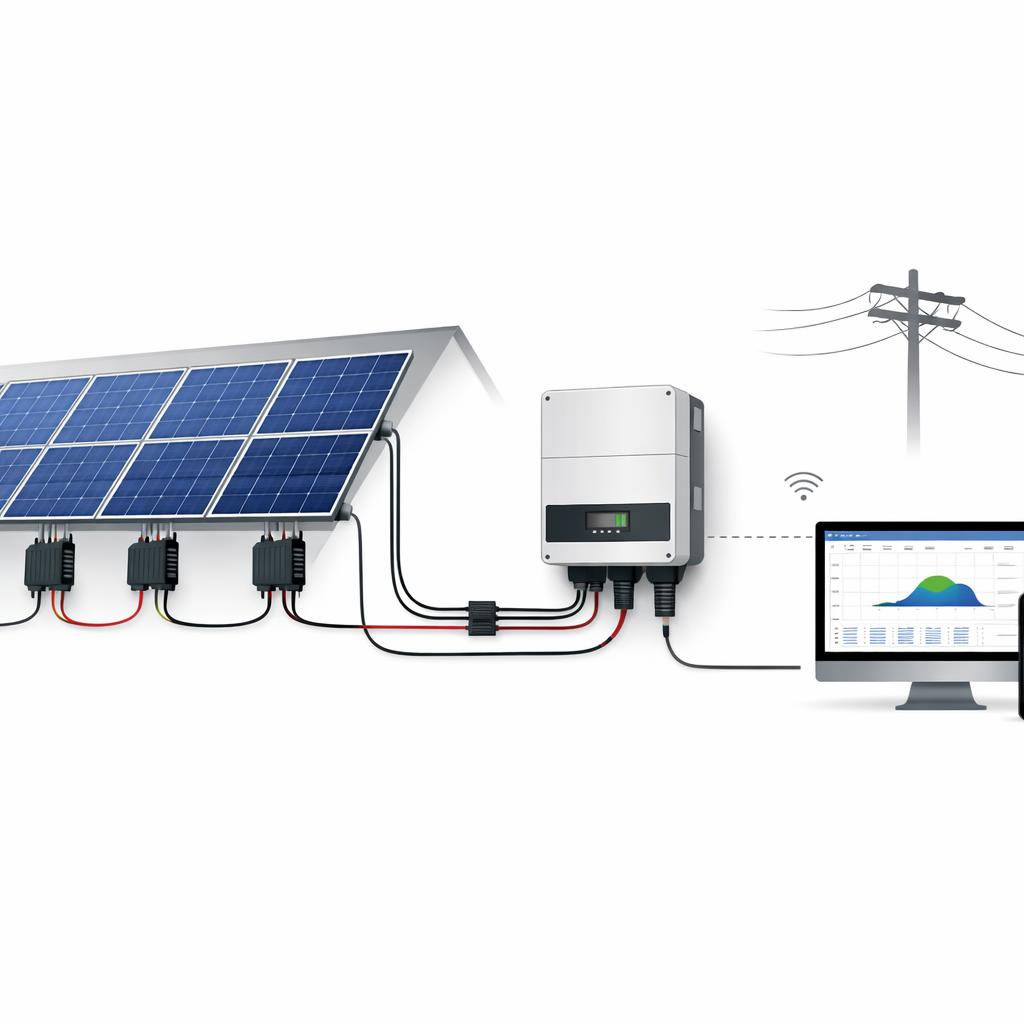
Anyone looking for Tigo optimizer compatibility with an inverter should especially look at the way the optimizer behaves in the string and what requirements the inverter has in terms of voltage, current and start-up range. In addition, check whether the chosen monitoring fits what you want to see: only basic information about the system or accurate insight per panel. That choice determines which additional parts are needed and how simple the whole remains.
A practical approach is to first write out the entire system: number of panels, string layout, panel data, cable lengths and inverter specifications. Then compare that with the optimizer's product specifications. For additional background, you can also read about choosing an inverter for solar power. This way you can assess step by step whether the combination makes technical sense.
Why system structure and safety functions count
Compatibility is not only about normal operation, but also about safety and system construction. Consider shutdown functions, the position of the optimizer in the string and the way components communicate with each other. In some projects the focus is on better shading performance, while in other situations safety or monitoring at panel level is more important. The right choice therefore depends on the technical design and the requirements of the building.
An existing system requires extra attention. Whether a Tigo optimizer is suitable for an existing solar power system depends on the panels present, the age of the inverter and the available space for additional components. Also check the cabling, connectors and string lengths. Good preliminary work prevents you from having to redesign or replace parts later.
Conclusion
Tigo optimizer compatibility is not a simple yes-or-no question, but a technical assessment of panels, inverter, monitoring and system structure together. Pay attention to panel type, voltage, current, power class, string layout and safety features. This gives you a more realistic picture of Tigo optimizer compatibility with solar panels and the connection to the inverter.
If you check in a structured way in advance, you make better choices and prevent adjustments afterwards. Especially with existing installations, mixed roof surfaces or doubts about monitoring, it is wise to carefully compare product specifications and, if necessary, have an expert take a look. This increases the chance of a solution that works well today and will also fit later.
Frequently asked questions
Does a Tigo optimizer work with all solar panels?
No, you can't just assume that. Suitability depends on factors such as voltage range, maximum current, power class and system design. Therefore, always compare the datasheets of panel and optimizer before deciding.
How do I know if my inverter is suitable for a Tigo optimizer?
Compare the string structure and electrical requirements of the inverter with the product specifications of the optimizer. Pay particular attention to start-up voltage, operating range, current limits and desired monitoring functions. This way you assess the combination in a practical and verifiable way.
How do you check Tigo optimizer compatibility with an existing system?
Start with an overview of the current panels, the inverter, the string layout and monitoring components present. Then check whether voltage, current and power are within the permitted values. The age of components and the space for additional parts also play a role.
Is an optimizer always necessary when there is shade on some panels?
Not always. With limited shade, targeted optimization on a few panels may be sufficient, while full installation on the entire roof is not always necessary. The best choice depends on the degree of shade, the roof layout and the technical limits of the system.